CNC Woodworking Services | Custom Wood Routing, CNC Cutting

What is CNC Milling?

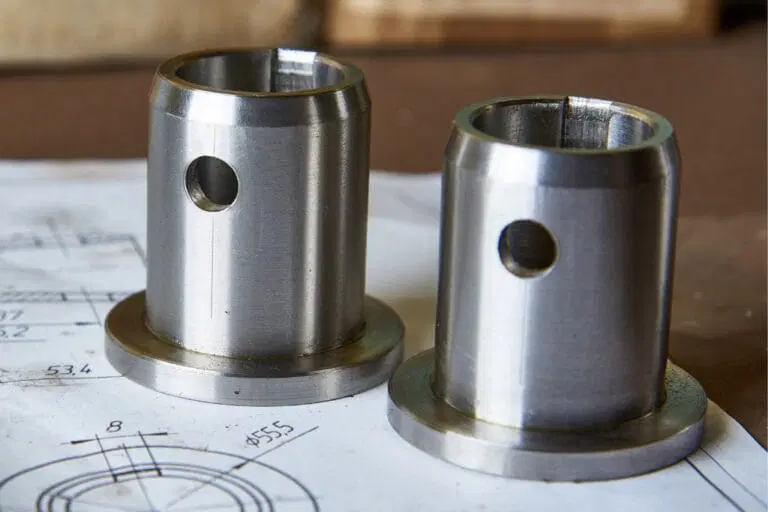
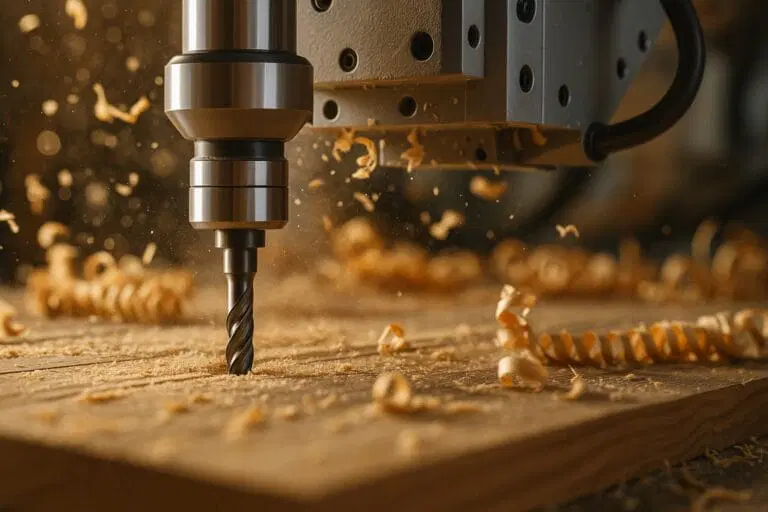
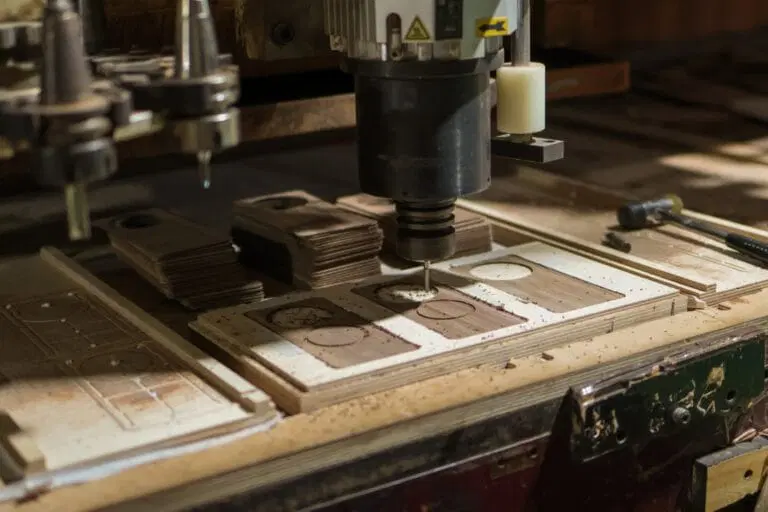
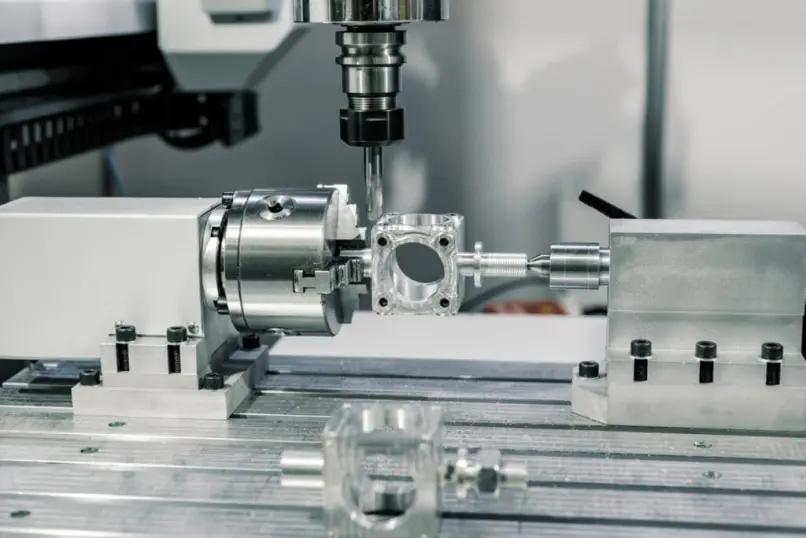
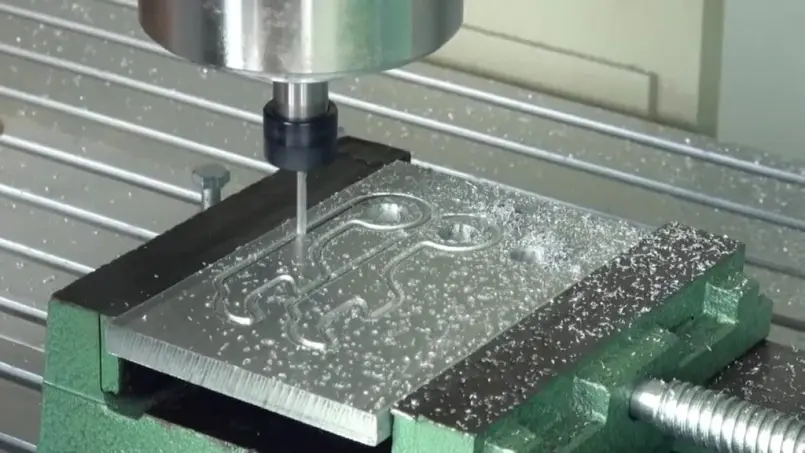
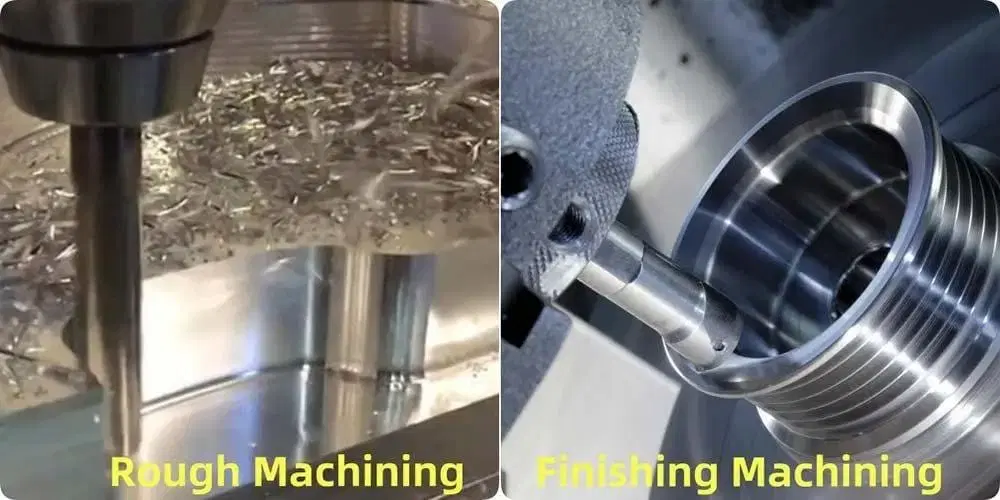
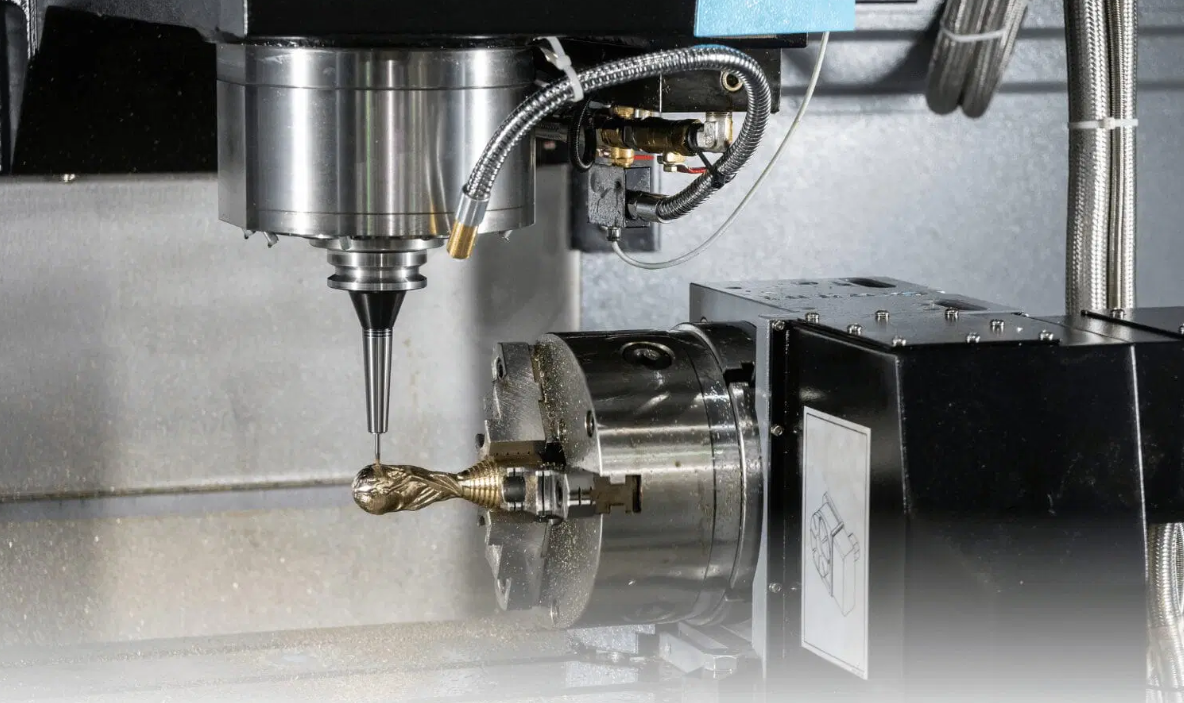
CNC milling is a subtractive manufacturing process that removes material from a stationary workpiece using rotating cutting tools controlled by computer programs. The machining process uses multi-toothed mills, end mills, and drills that move along X, Y, and Z axes to shape components according to CAD specifications. Face milling cuts flat surfaces using the cutter end, while peripheral milling machines cut slots, custom threads, and contours along the cutter circumference.

Service

Description

CNC Routing Services

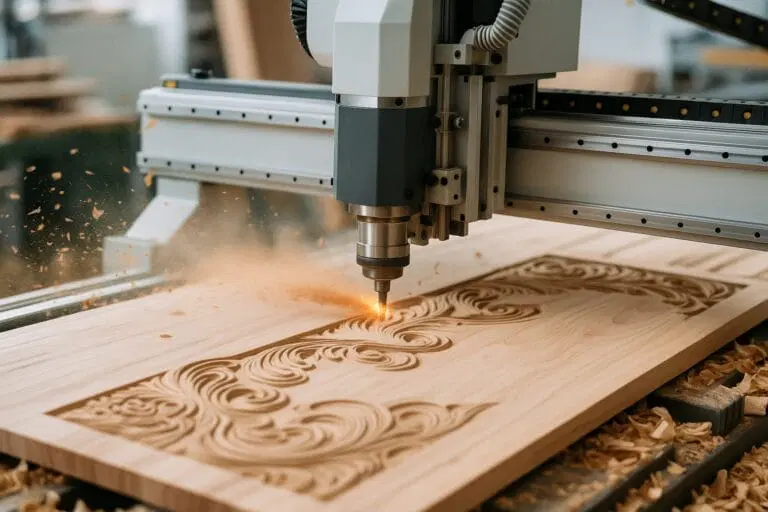
Offers precise cutting and shaping of various wood products.

CNC Cutting Services

Handles cutting tasks for plywood, MDF, melamine, and more.

Custom CNC Design Services

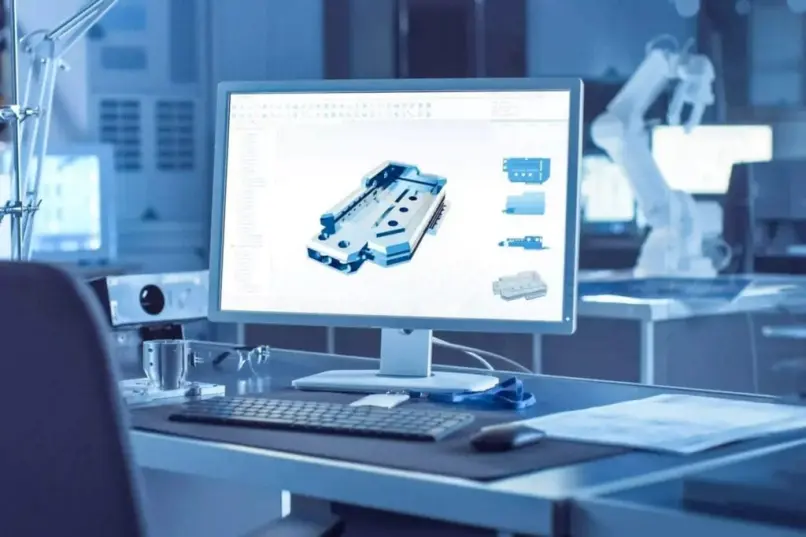
Creates tailored designs with CAD software to meet project needs.

Laser Cutting Services

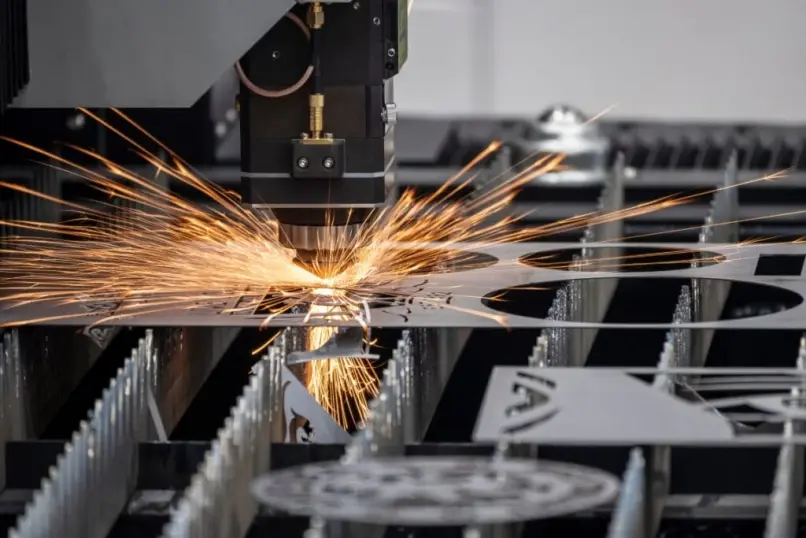
Provides intricate cutting for wood, acrylic, and plastic materials.

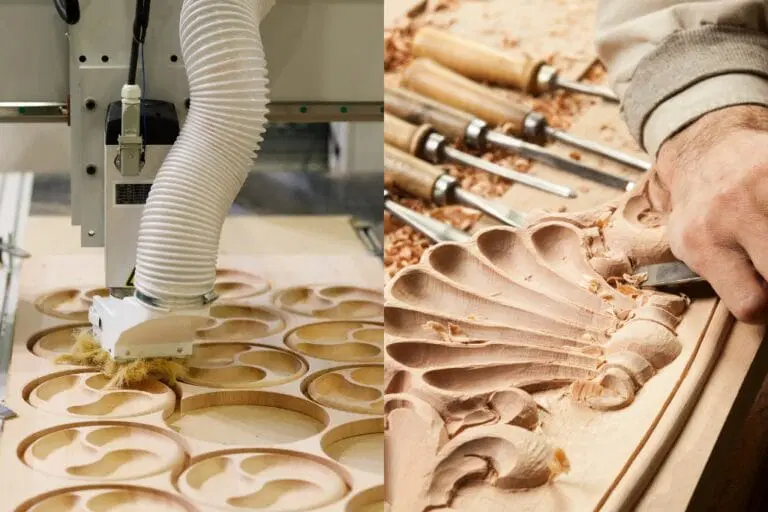
The Benefits of CNC Custom Wood Routing

  • Precision: CNC routers can produce parts with tight tolerances and sharp edges, ensuring high-quality finished products.
  • Efficiency: The automated nature of CNC machines significantly reduces production time compared to manual methods.
  • Versatility: Our CNC routers can work with a wide range of materials, including hardwoods, composites, plastics, and metal.
  • Customization: Clients can upload their CAD files or request custom designs tailored to their specifications.

Common Materials for CNC Routing Services

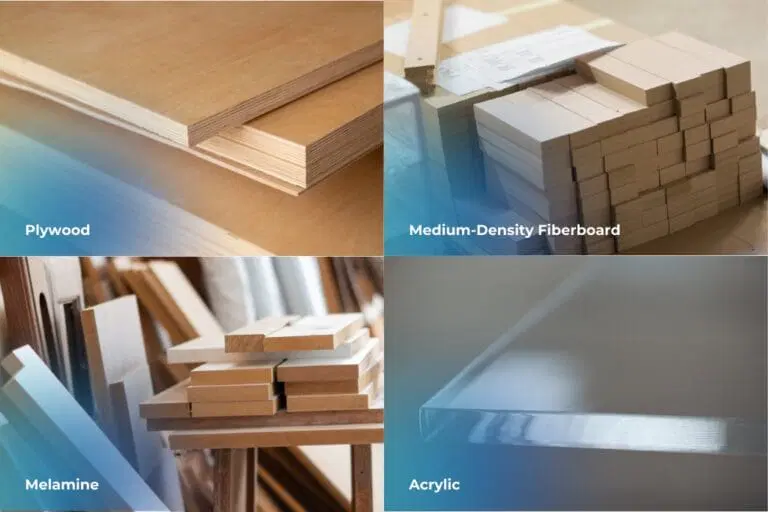
  • Plywood: Ideal for furniture and cabinetry due to its strength and versatility.
  • MDF (Medium-Density Fiberboard): Often used for detailed carvings and painted finishes.
  • Melamine: A popular choice for modern furniture due to its smooth surface and durability.
  • Acrylic: Used for signage and decorative elements because of its clarity and ease of engraving.
  • Plastic: Including PVC and polyethylene, suitable for various applications in woodworking.

Applications of CNC Services for Wood Routing

  • Furniture Manufacturing: Creating components for wooden furniture with precise cuts and shapes.
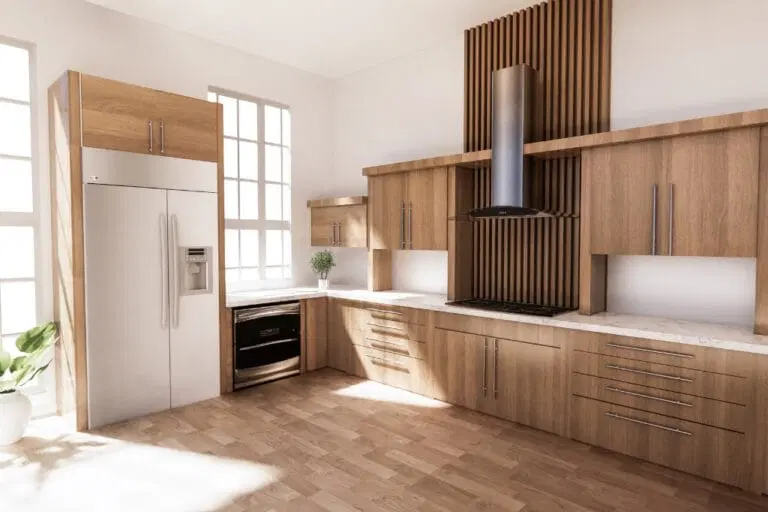
  • Interior Design: Producing decorative elements like wall panels and custom cabinetry.
  • Prototype Development: Rapidly creating prototypes from CAD designs for testing and evaluation.
  • Signage Production: Crafting detailed signs using engraving techniques on various materials.

How does Ruixi Technology Account for Kerf?

  • Kerf refers to the width of the material removed by the cutting tool during the routing process. At Ruixi Technology, we account for kerf by adjusting our cutting paths based on the specific tools used. This ensures that the final dimensions of cut parts match the specifications provided by our clients.

Why Choose Ruixi Technology for Online Wood CNC Services?

  • Choosing Ruixi Technology means opting for reliability and quality in your woodworking projects. Our online wood CNC service allows you to easily upload your CAD files or request design assistance from our team. We take pride in delivering precision-cut parts that meet your exact specifications.

    With our full range of CNC machining services, we are equipped to handle any project—from custom prototypes to large production runs. Contact us today to discuss how we can assist you with your next woodworking project!

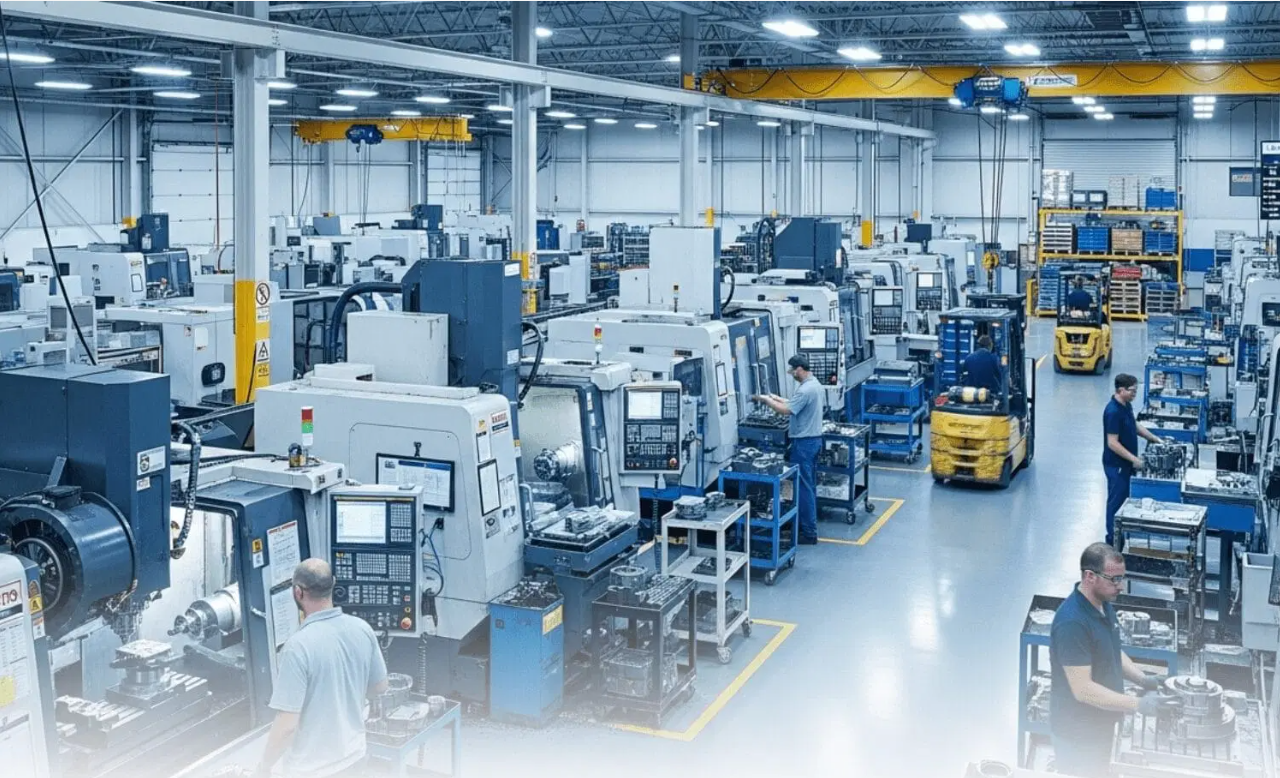
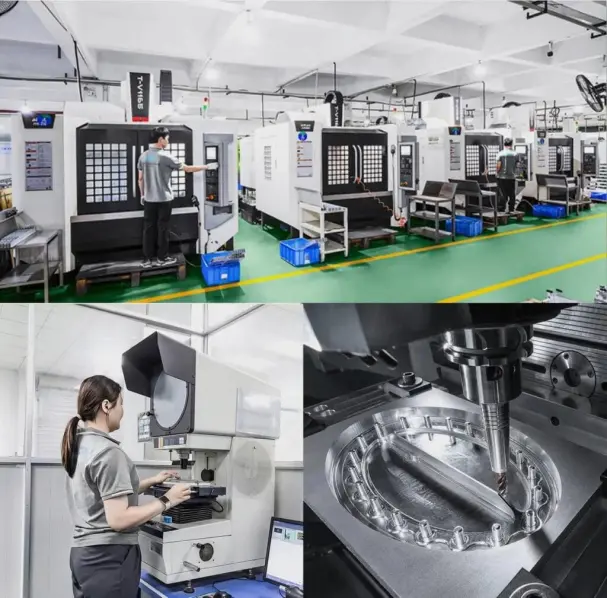
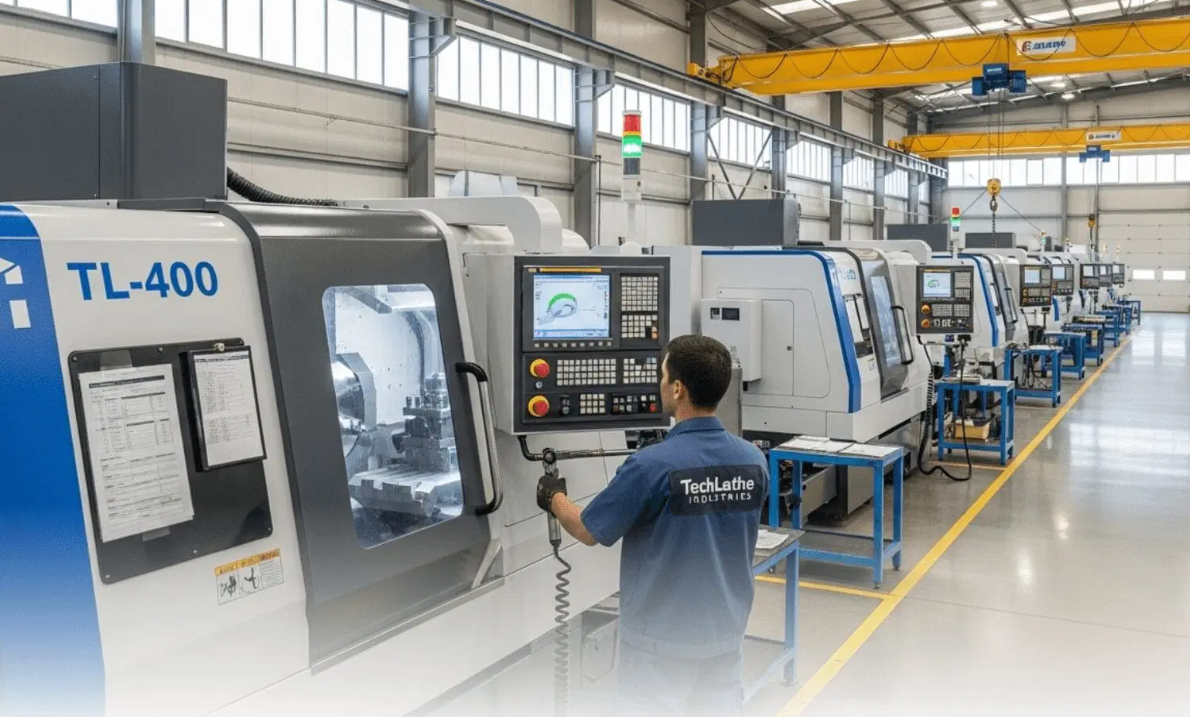
Ruixi Technology Factory

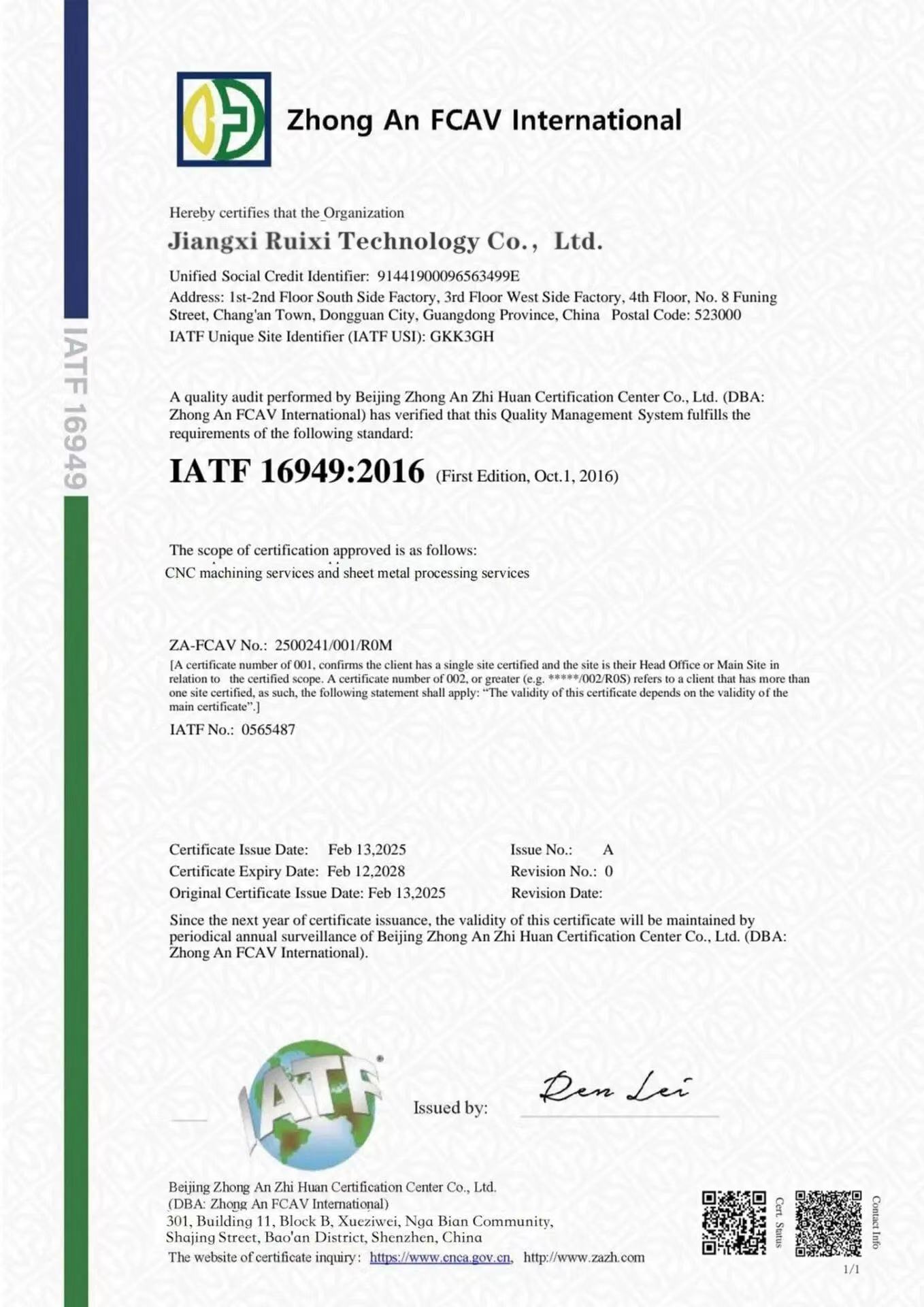
Certificate

FAQs on CNC Woodworking Services | Custom Wood Routing, CNC Cutting

How much does a CNC router service cost?

The cost of a CNC router cutting service varies depending on the complexity of the design, the type of material used, and the size of the project, though hourly rates typically range from $50 to $150. Online CNC routing services often charge per hour or per job and may require a vector file, such as DXF, SVG, or PDF, for accurate cutting. Using state-of-the-art technology, these services are ideal for producing finished parts from a variety of materials, including wood, foam, and aluminum composite.

One main disadvantage of CNC routing is its initial setup cost, as creating a file for CNC, such as STL or EPS, requires technical expertise and appropriate CAM software. Additionally, the process may lead to wastage if the router cutter or material is not optimized for the design spec. While CNC routing is ideal for wood working, polycarbonate, and custom laser cutting, not all materials can withstand the same precision as other methods like water jet cutting or plasma cutting.

The thickness of wood that a CNC router can cut depends on the power of the machine and the cutter used, but many in-house routers can handle up to 3 inches of hardwood. For thicker or harder materials, additional processes such as CNC milling or sanding may be required to achieve finished parts that meet exacting specs. CNC routing is proudly made to handle a variety of materials, from foam and EPS to wood, aluminum composite, and beyond.

CNC Resources