Top 10 CNC Machining Companies in UAE Right Now
October 28, 2025
Contents
Key Takeaways
What Makes the UAE a Growing Hub for CNC Machining?
...
We are ready to answer right now! Sign up for a free consultation.
I consent to the processing of personal data and agree with the user agreement and privacy policy
We are ready to answer right now! Sign up for a free consultation.
I consent to the processing of personal data and agree with the user agreement and privacy policy
CNC milling uses computer-controlled rotary cutting tools to remove material
and create precision metal and plastic parts with tolerances down to ±0.05
mm. At Ruixi Technology, our CNC milling service China offers 3-axis, 4-axis, and
5-axis capabilities for metals and plastics used in aerospace, automotive
medical device, and electronics manufacturing. Upload your design files to
get an instant quote, and we’ll deliver your prototypes or production parts
within 1–3 working days.
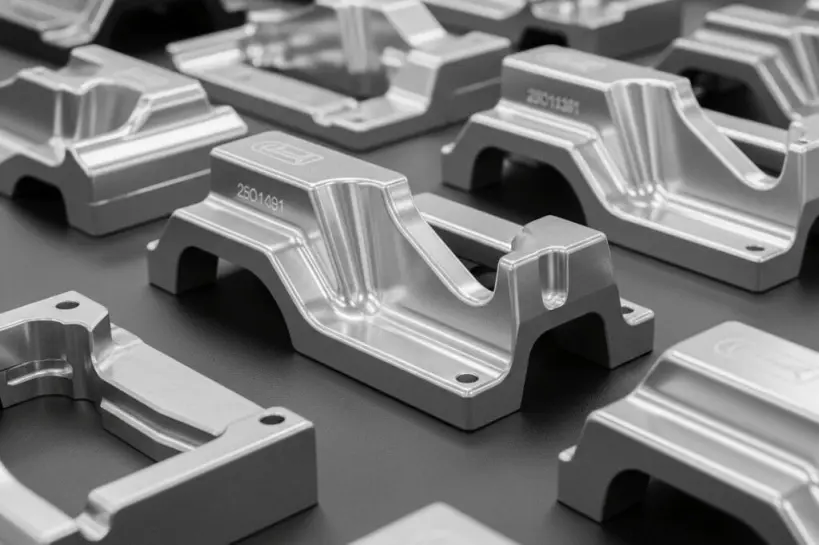
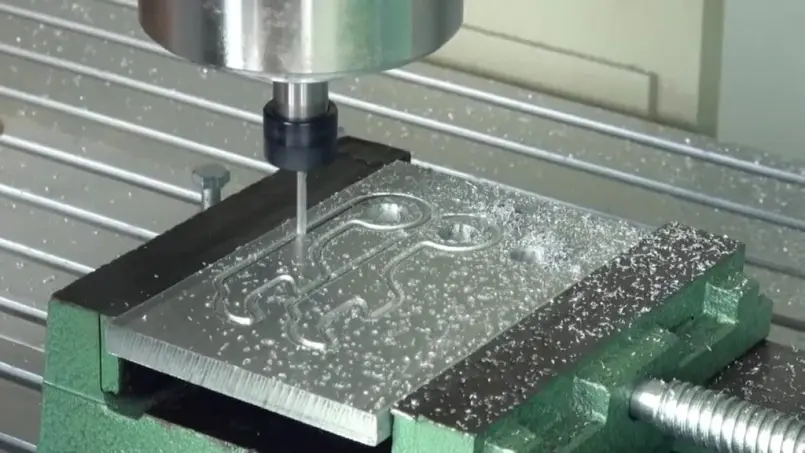
CNC milling is a subtractive manufacturing process that removes material from a stationary workpiece using rotating cutting tools controlled by computer programs. The machining process uses multi-toothed mills, end mills, and drills that move along X, Y, and Z axes to shape components according to CAD specifications. Face milling cuts flat surfaces using the cutter end, while peripheral milling machines cut slots, custom threads, and contours along the cutter circumference.
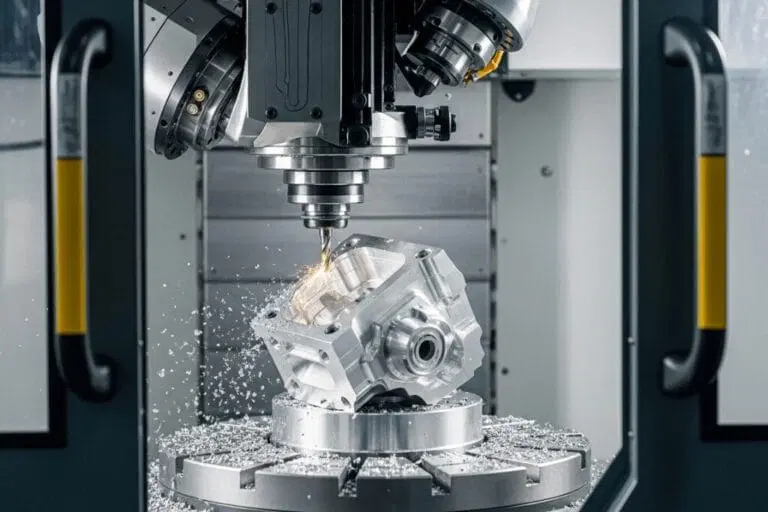
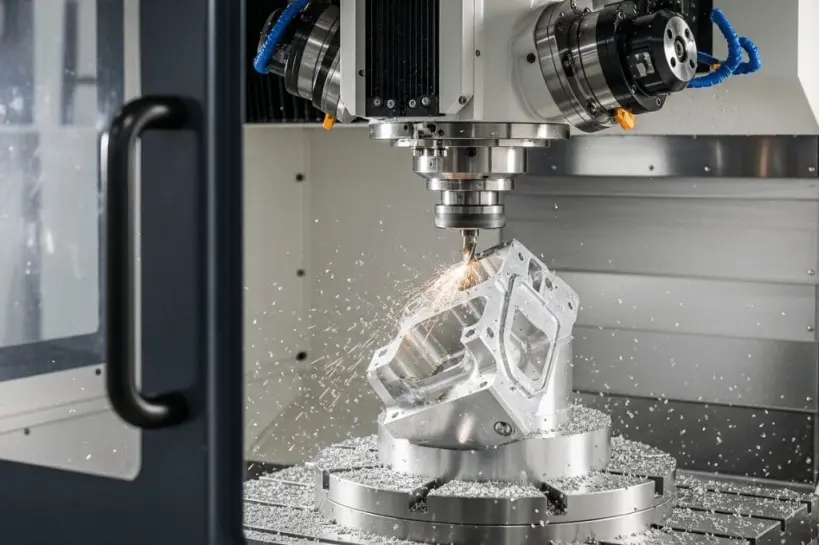
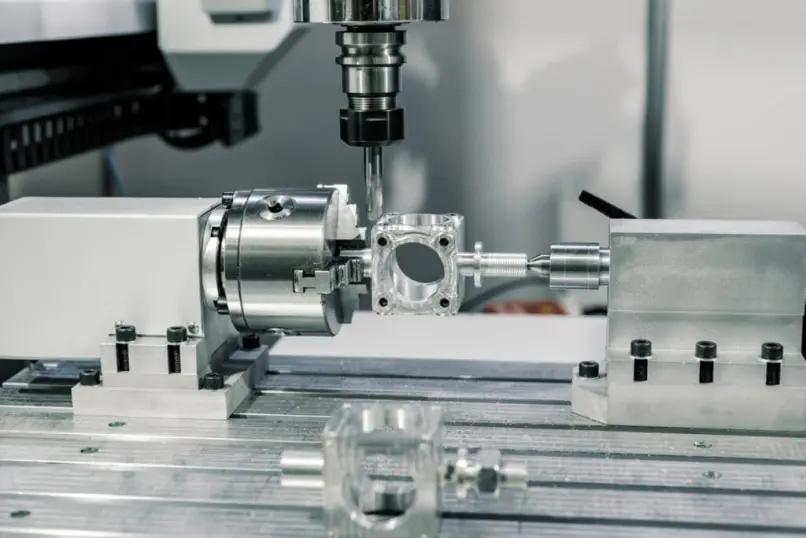
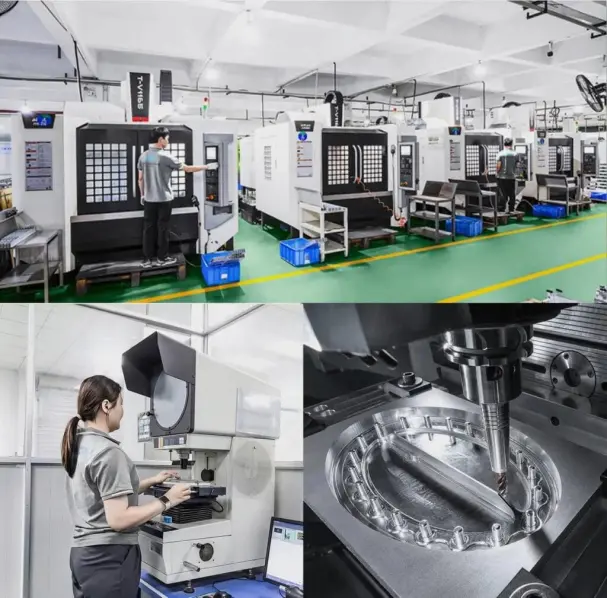
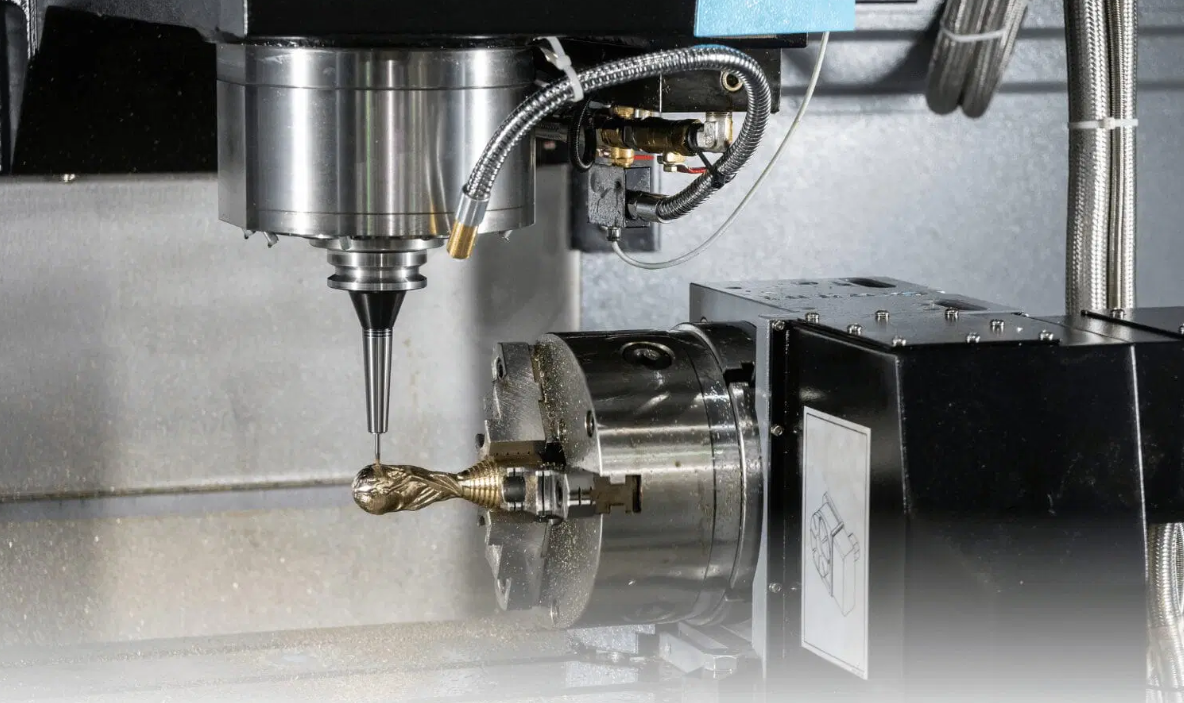
We operate vertical and horizontal CNC milling machines with 3-axis, 4-axis, and 5-axis configurations from Haas, DMG MORI, and Mazak. Our 3-axis milling capabilities move cutting tools along X, Y, and Z linear directions for basic geometries. The 4-axis systems incorporate A-axis rotation around the X-axis for machine parts requiring work on multiple sides without repositioning. Our 5-axis indexed milling processes add B-axis and C-axis rotational movement to create undercuts, angled features, and complex parts in a single operation.
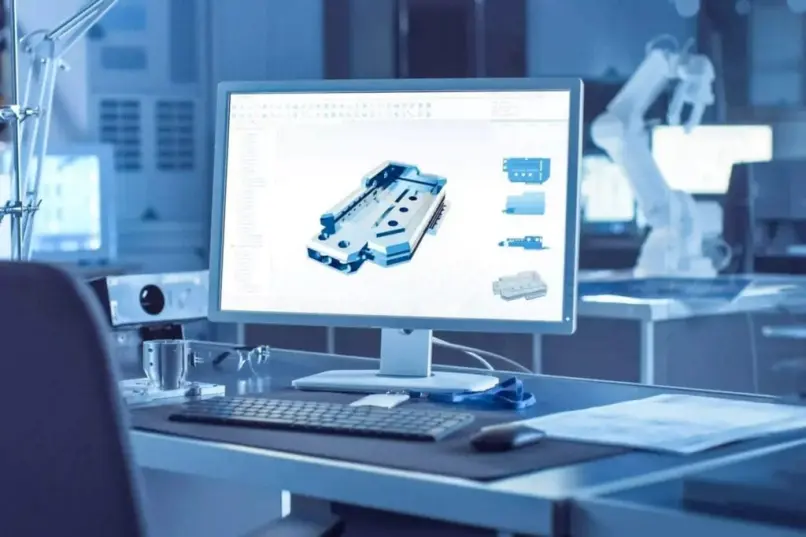
The CNC machining process follows a four-step workflow that converts design files into finished parts. Engineers create CAD models to design parts with specific geometry, dimensions, and tolerances using software like SolidWorks, AutoCAD, or CATIA. CAM software converts CAD files into CNC-compatible G-code containing toolpath instructions, cutting parameters, and tool change sequences.
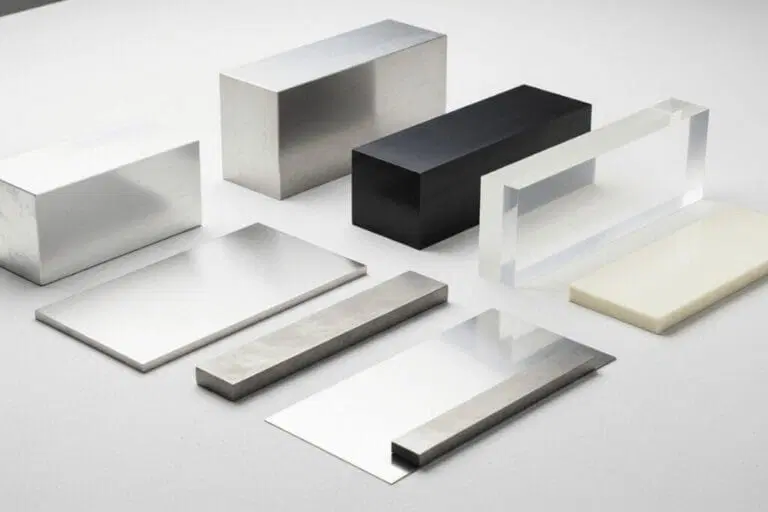
Material selection determines cutting speeds, tool selection, and coolant requirements for optimal machining efficiency. Our CNC machining materials include metals and plastics suitable for diverse applications. Aluminum alloys machine at 300–600 m/min with carbide tools and require minimal coolant due to excellent thermal conductivity. Stainless steel grades like 304 and 316 demand slower speeds (100–200 m/min) and proper coolant application to manage work hardening.
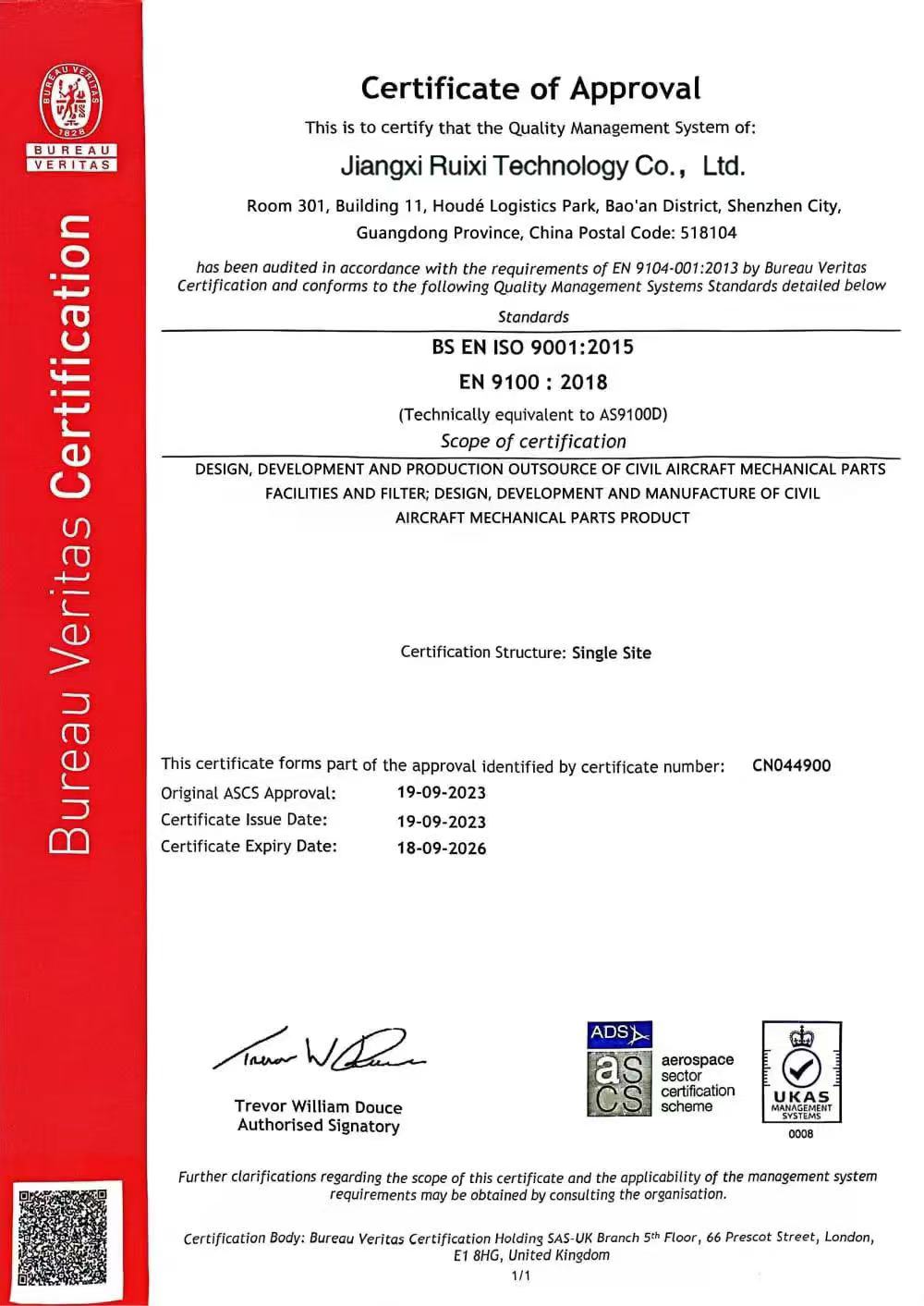
Aerospace manufacturers require AS9100 certified quality management for turbine blades, structural components, landing gear parts, and engine housings with tolerances within ±0.076 mm. We produce custom CNC parts from aluminum 7075 and titanium Grade 5, meeting Federal Aviation Administration (FAA) material specifications with full material traceability and certificates of conformance.
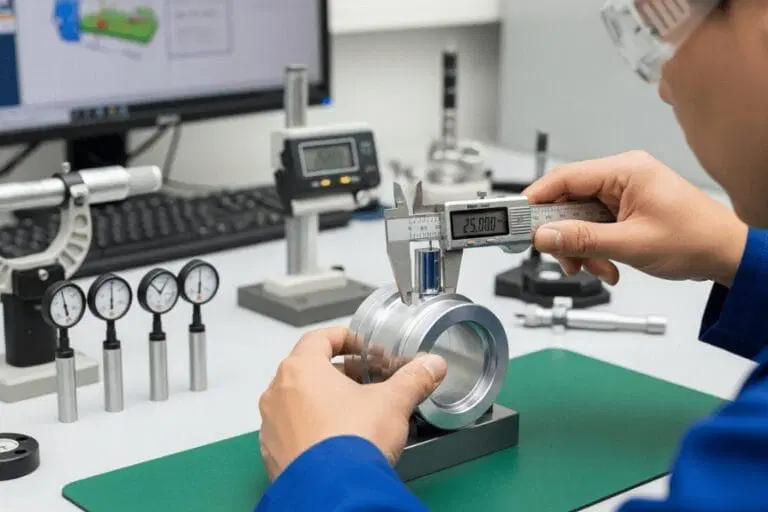
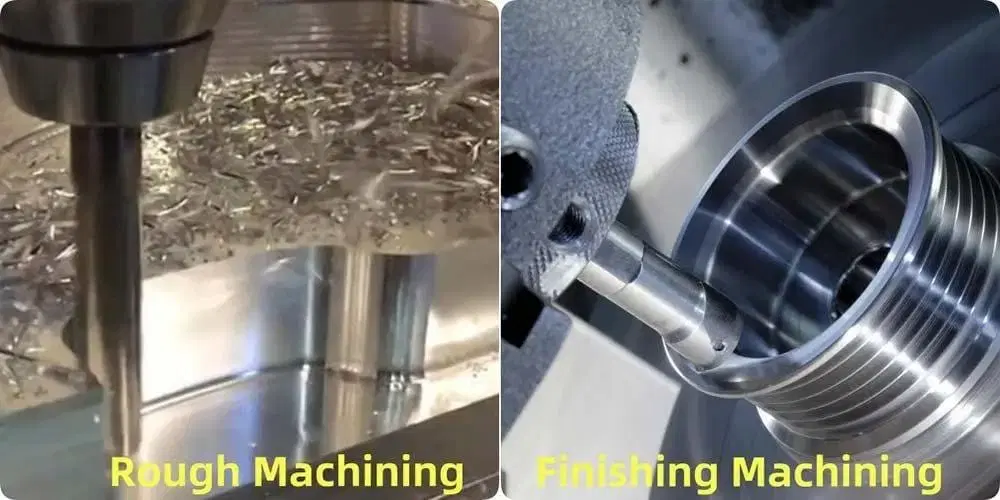
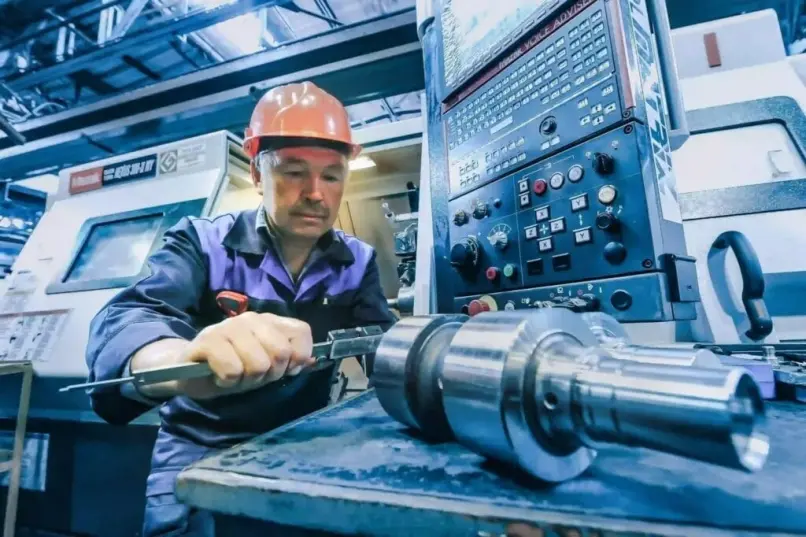
Our precision machining services deliver standard tolerances of ±0.1 mm for general applications and tight tolerances down to ±0.05 mm for precision components. 5-axis machines achieve tighter tolerances than 3-axis systems by reducing setup changes and maintaining consistent tool orientation throughout operations. Surface finish quality ranges from 3.2 µm Ra for general work to 0.8 µm Ra for precision finishing on CNC-machined parts.
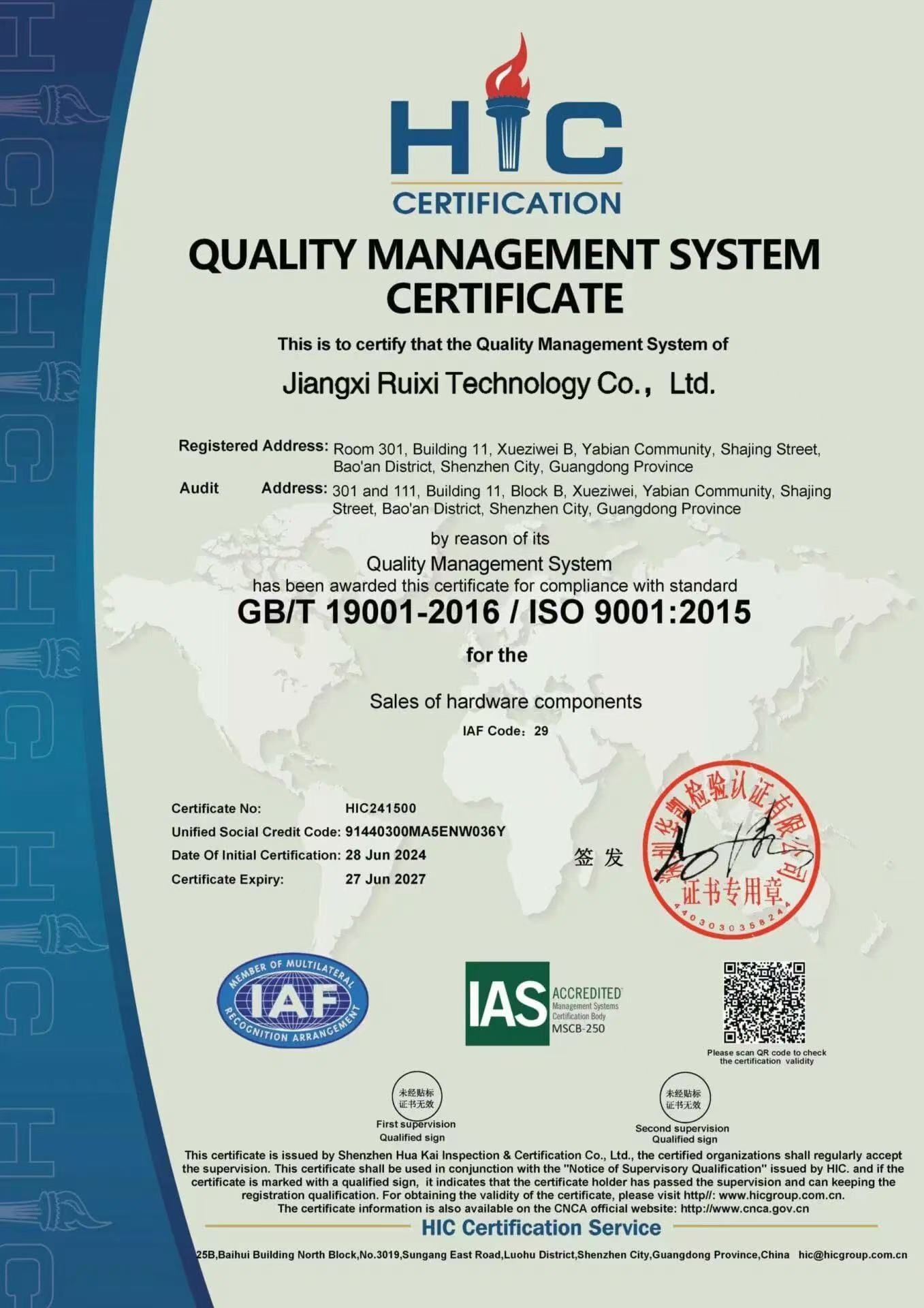
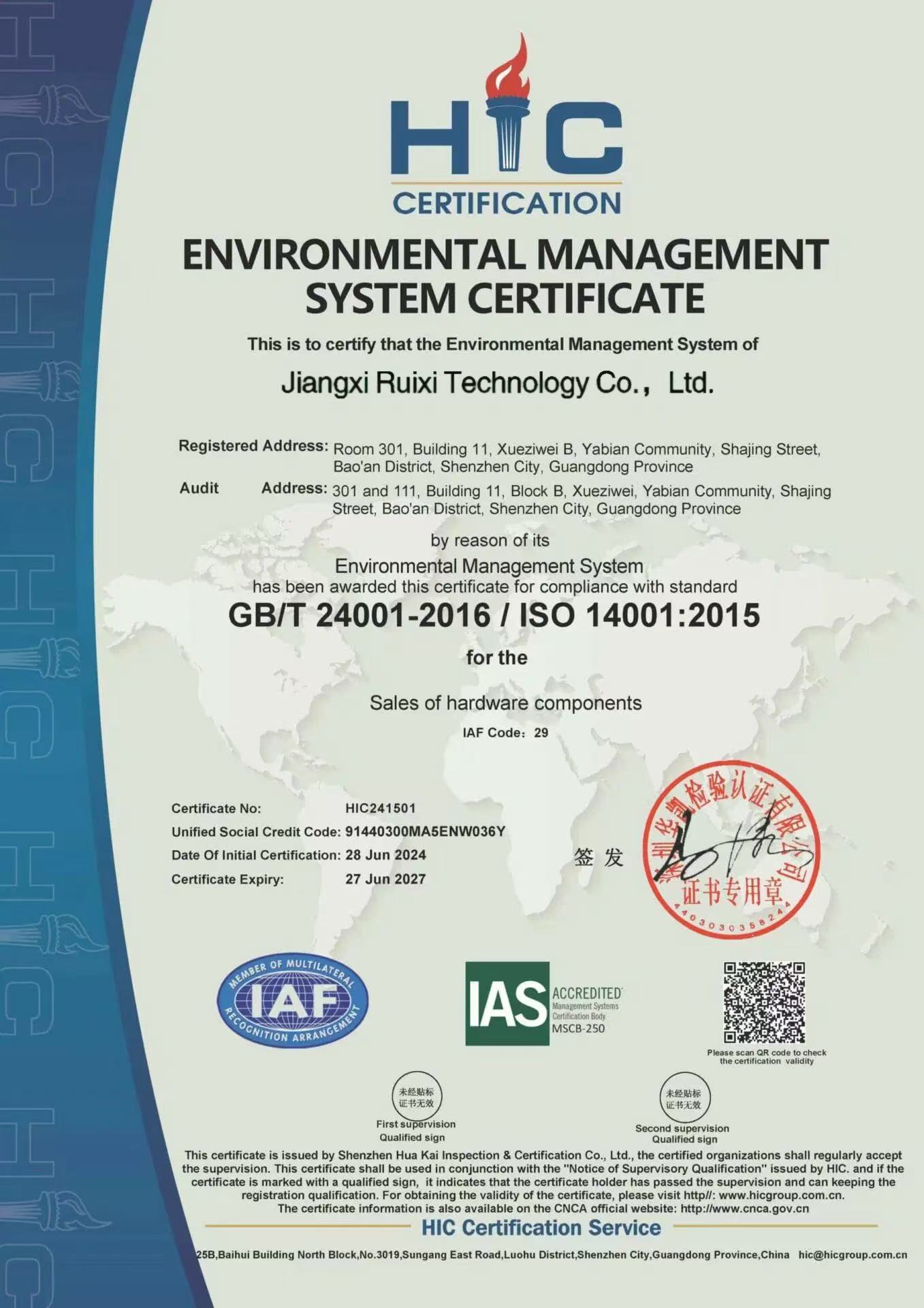
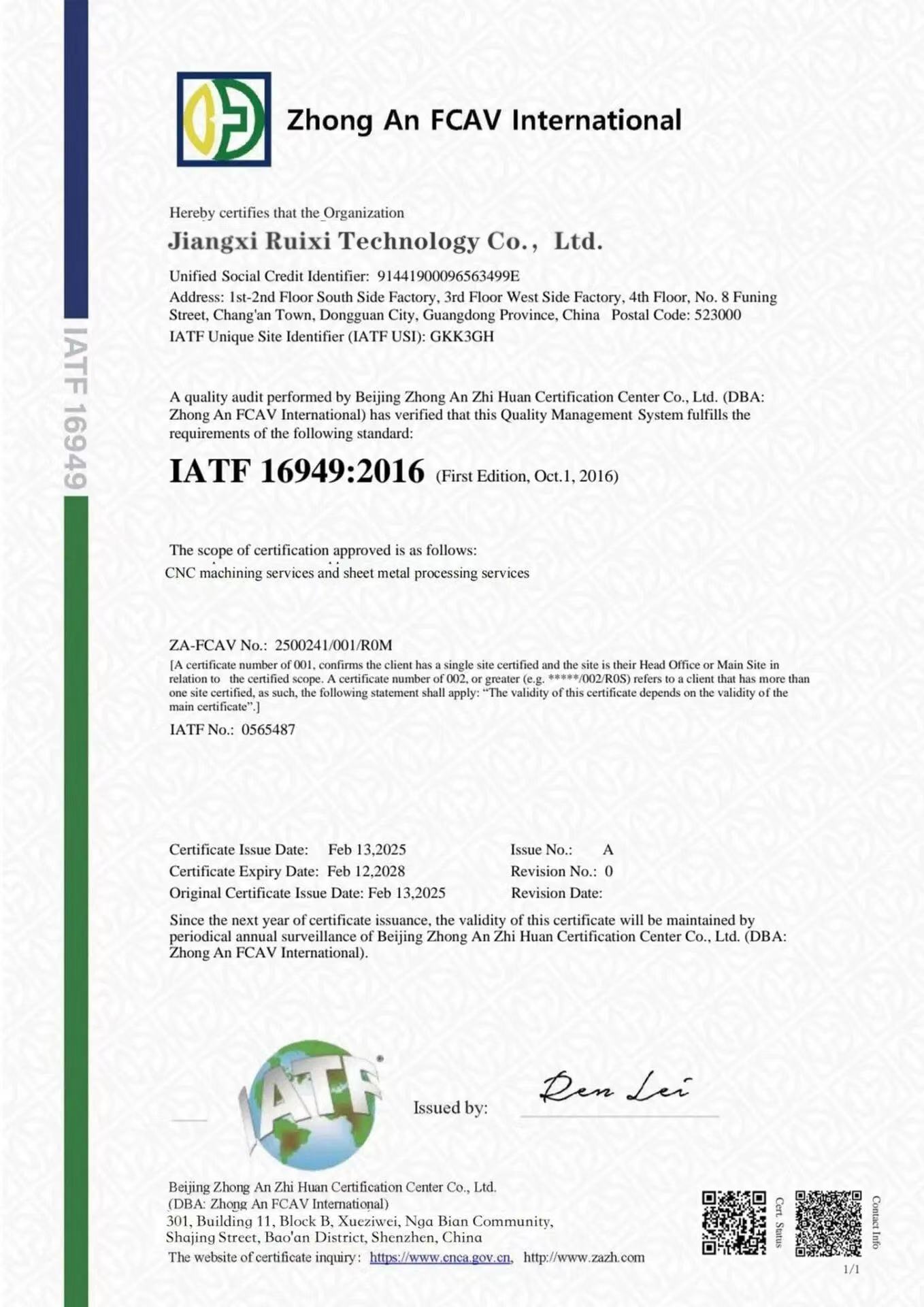
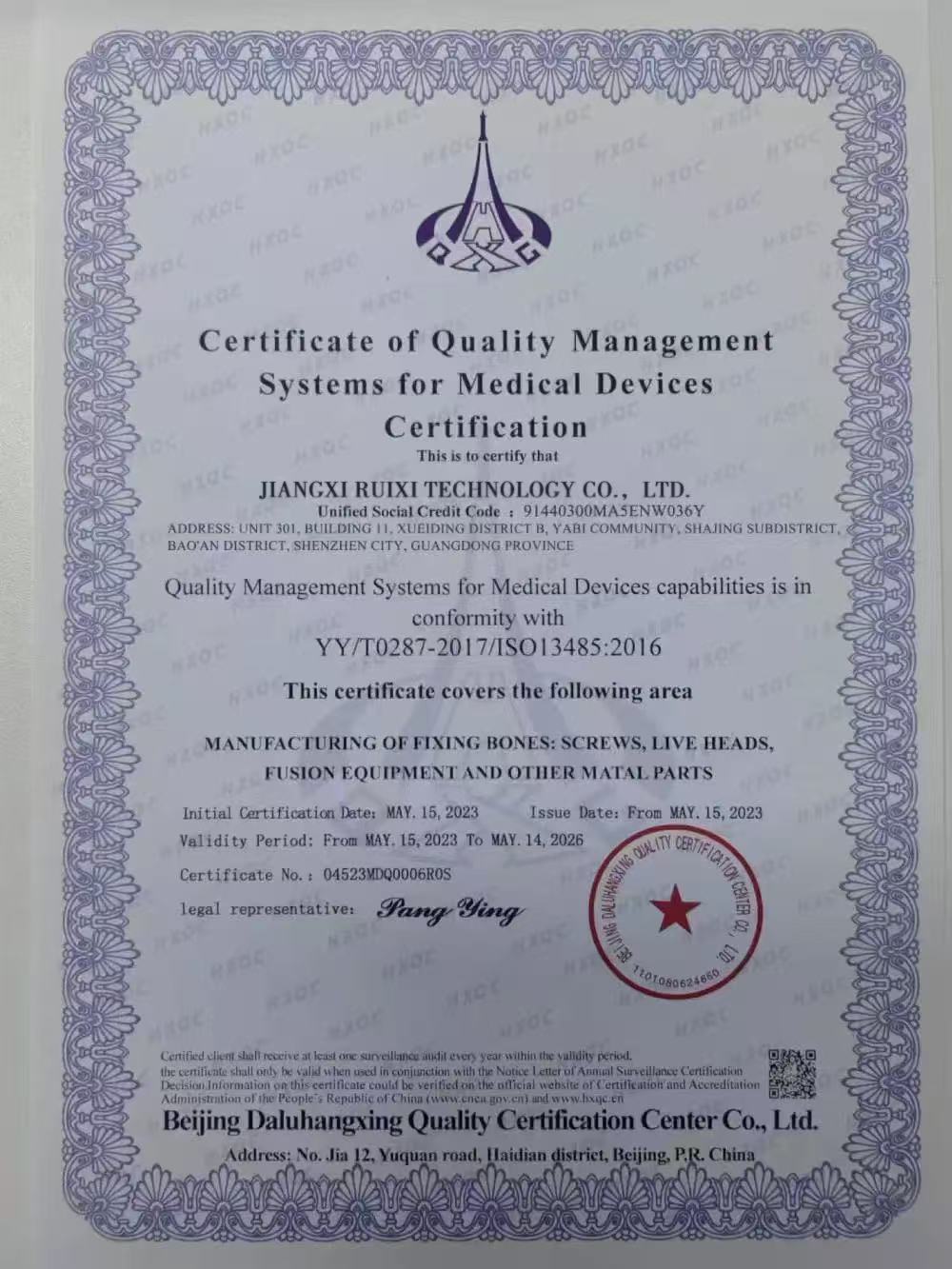
We hold ISO 9001:2015 quality management certification, ensuring consistent process control through documented procedures and continuous improvement. Our AS9100 aerospace certification qualifies us for defense and aviation component production with stringent material traceability requirements. ISO 13485 medical device manufacturing certification enables production of surgical instruments and implants with biocompatible material verification.
Lorem ipsum, or lipsum as it is sometimes known, is dummy text used in laying out print, graphic or web designs.
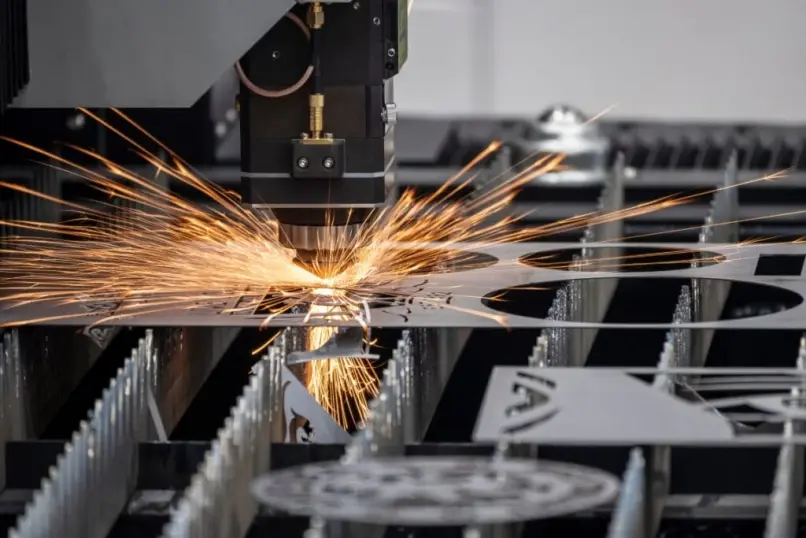
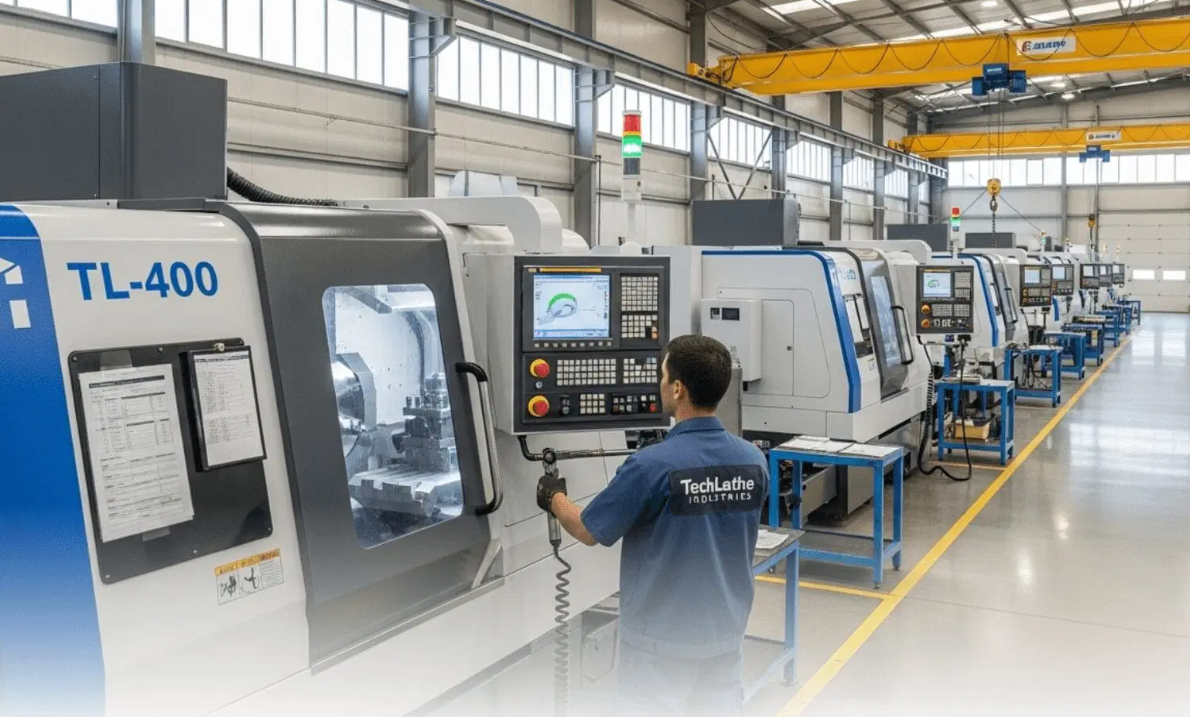
The variety of CNC machines includes CNC milling machines that remove material using rotary cutters, CNC turning machines (lathes) that rotate workpieces against stationary tools for turn parts, CNC routers for cutting softer materials, CNC plasma cutters using ionized gas for metal cutting, and CNC laser cutters employing focused beams. Each machine type serves different machining projects based on material properties and part geometry requirements.

Titanium Grade 5 (Ti-6Al-4V) ranks among the hardest materials to machine due to low thermal conductivity, causing rapid tool wear. Inconel superalloys present similar challenges, with high strength retention at elevated temperatures and work hardening characteristics. Tungsten carbide requires polycrystalline diamond (PCD) or cubic boron nitride (CBN) cutting tools due to hardness exceeding 1,500 HV.
CNC machining costs vary based on machine complexity, material selection, and production volume, making it cost-effective for both simple parts and complex geometries. 3-axis operations cost less than 5-axis setups due to simpler programming and shorter cycle times. High-volume production spreads setup costs across many parts, lowering per-unit pricing compared to prototype quantities for parts for prototyping applications.
Free Machined Parts Design to Your Projects with Fast Turnaround Times.