Precision Services: CNC Machining, Sheet Metal, Custom Fasteners

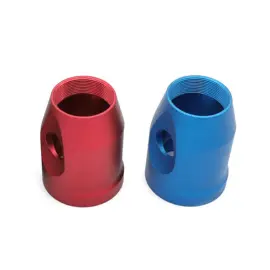
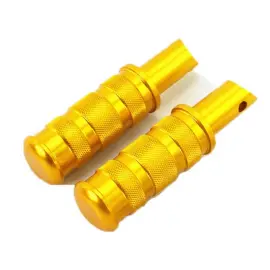
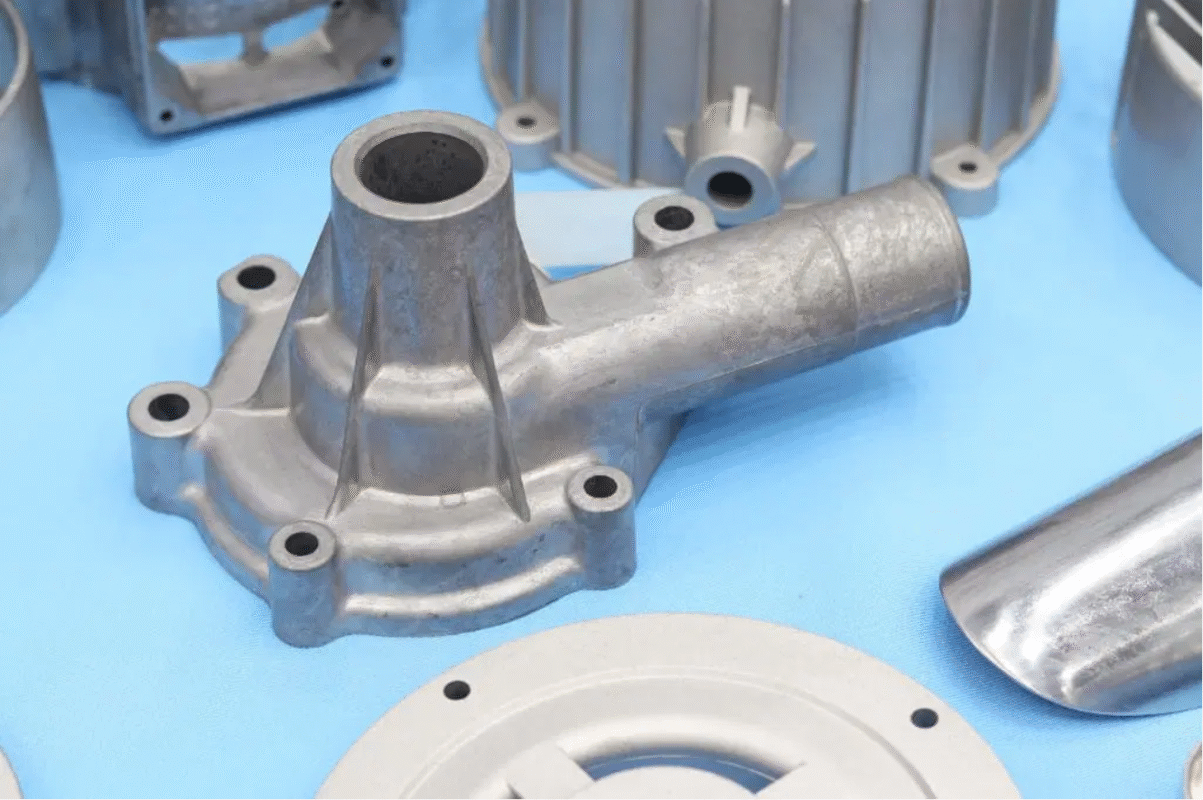
CNC Machining Services

Yijin Hardware Factory Provides Customers with One-Stop CNC Machining Services.

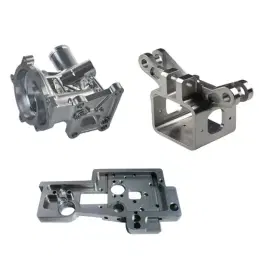
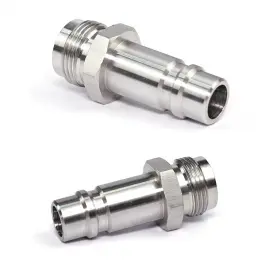
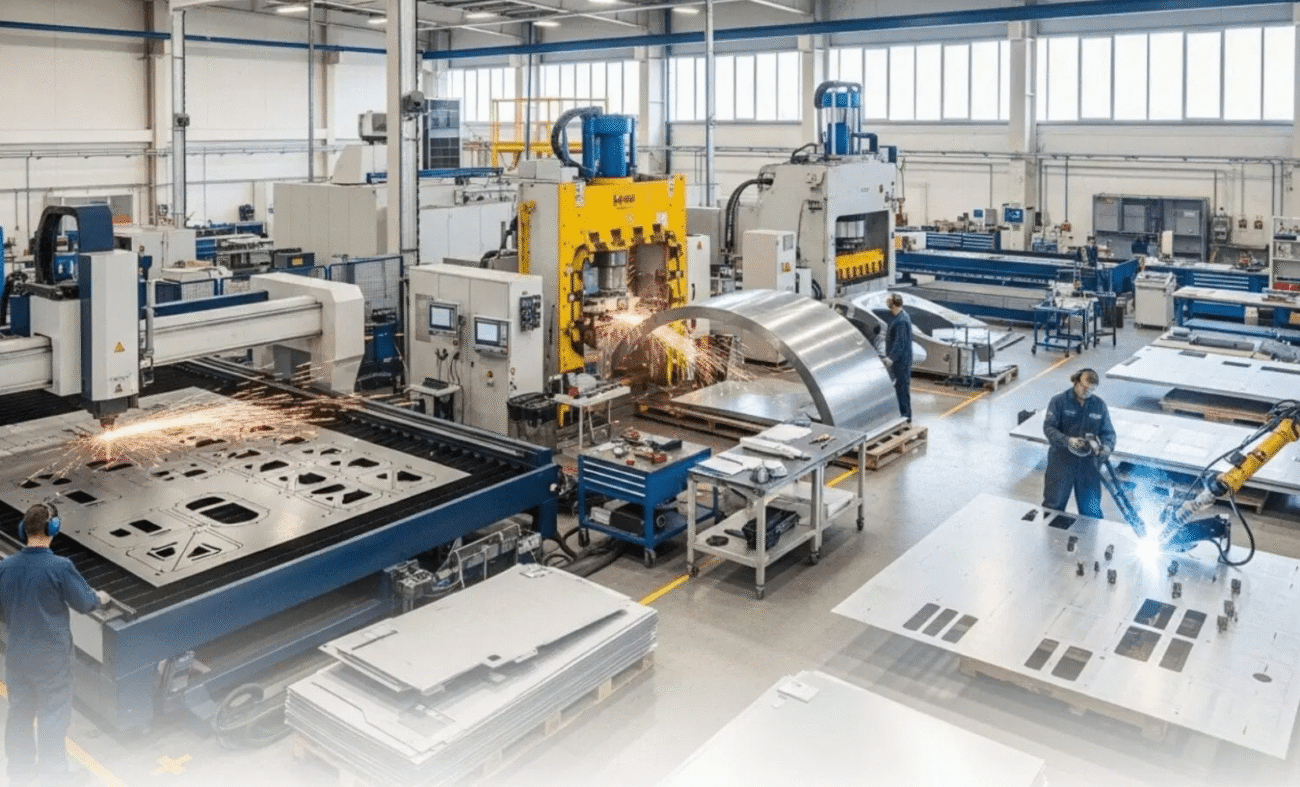
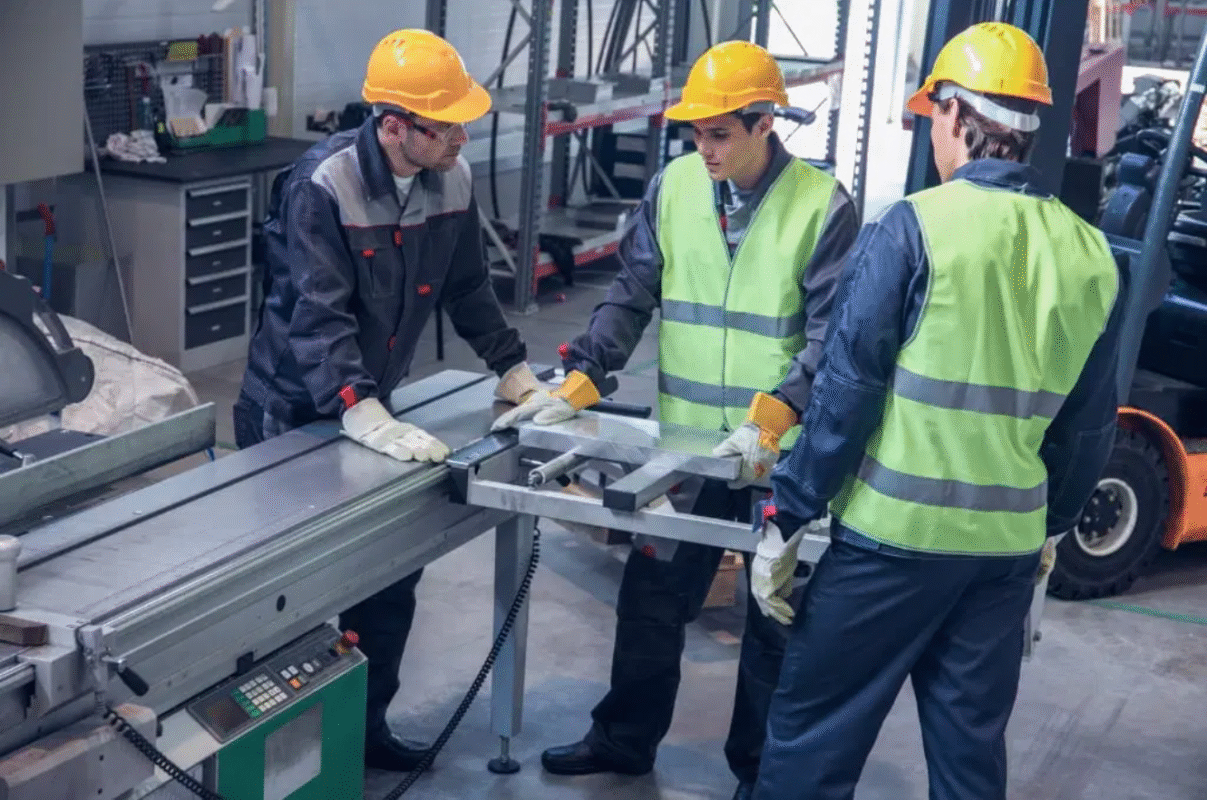
Sheet Metal Fabrication

From Design to Production, Offer Efficient Turnaround Times and Competitive Pricing for Your Sheet Metal Project.

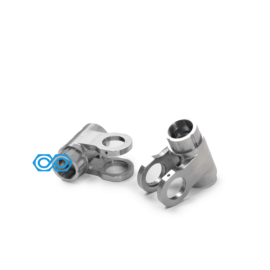
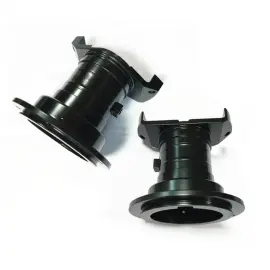
Custom Fasteners Services

Custom Fastener Products for Industries with High-Quality & Factory Prices.

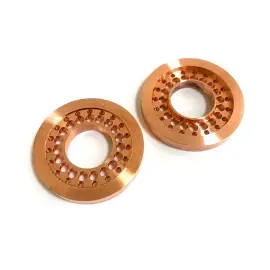
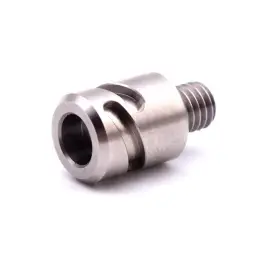
Free Industrial Design Services

Let us collaborate to bring your ideas to life and propel your business to new heights.

Custom CNC Machining Parts Application Field

New Energy Industry

YIJIN Hardware as one of the top CNC machining parts manufacturers in China will provide you with a one-stop solution for your custom new energy parts.

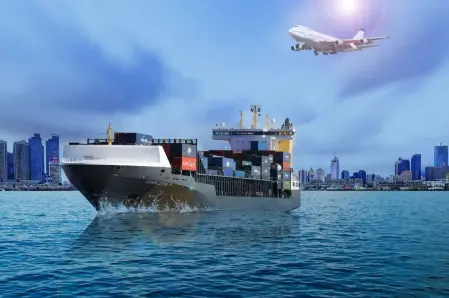
Shipping Industry

Shipping is the largest transportation method that we can achieve in single transportation so far, which also highlights the importance of shipping.

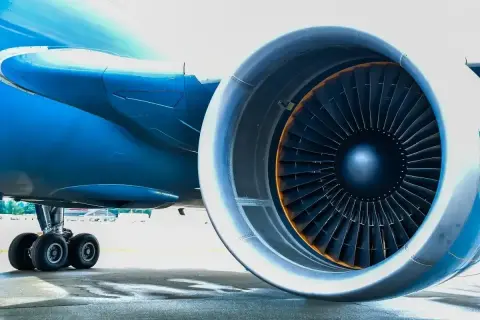
Aerospace Industry

Aircraft parts production requirements are strict, and the parts produced need to have strong corrosion resistance. In addition to oxidation resistance, it should also ensure lightweight and high-strength impact resistance.

Auto Industry

Shipping is the largest transportation method that we can achieve in single transportation so far, which also highlights the importance of shipping.

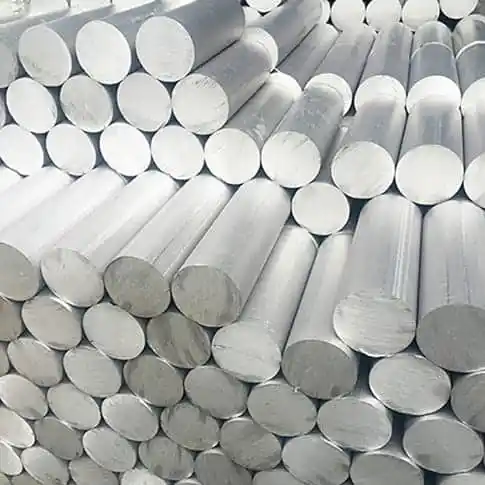
Machinable CNC Metal Materials

Copper is a metal with excellent thermal and electrical conductivity, and is often used to make wires, wire connectors, and other electrical applications in a wide range of applications.

Alloy:Copper 101 Copper 110

Copper is a metal with excellent thermal and electrical conductivity, and is often used to make wires, wire connectors, and other electrical applications in a wide range of applications.

Alloy:Copper 101 Copper 110

Copper is a metal with excellent thermal and electrical conductivity, and is often used to make wires, wire connectors, and other electrical applications in a wide range of applications.

Alloy:Copper 101 Copper 110

Copper is a metal with excellent thermal and electrical conductivity, and is often used to make wires, wire connectors, and other electrical applications in a wide range of applications.

Alloy:Copper 101 Copper 110

Copper is a metal with excellent thermal and electrical conductivity, and is often used to make wires, wire connectors, and other electrical applications in a wide range of applications.

Alloy:Copper 101 Copper 110

Copper is a metal with excellent thermal and electrical conductivity, and is often used to make wires, wire connectors, and other electrical applications in a wide range of applications.

Alloy:Copper 101 Copper 110

Copper is a metal with excellent thermal and electrical conductivity, and is often used to make wires, wire connectors, and other electrical applications in a wide range of applications.

Alloy:Copper 101 Copper 110

Copper is a metal with excellent thermal and electrical conductivity, and is often used to make wires, wire connectors, and other electrical applications in a wide range of applications.

Alloy:Copper 101 Copper 110

Copper is a metal with excellent thermal and electrical conductivity, and is often used to make wires, wire connectors, and other electrical applications in a wide range of applications.

Alloy:Copper 101 Copper 110

Copper is a metal with excellent thermal and electrical conductivity, and is often used to make wires, wire connectors, and other electrical applications in a wide range of applications.

Alloy:Copper 101 Copper 110

Copper is a metal with excellent thermal and electrical conductivity, and is often used to make wires, wire connectors, and other electrical applications in a wide range of applications.

Alloy:Copper 101 Copper 110

Copper is a metal with excellent thermal and electrical conductivity, and is often used to make wires, wire connectors, and other electrical applications in a wide range of applications.

Alloy:Copper 101 Copper 110

Copper is a metal with excellent thermal and electrical conductivity, and is often used to make wires, wire connectors, and other electrical applications in a wide range of applications.

Alloy:Copper 101 Copper 110

Copper is a metal with excellent thermal and electrical conductivity, and is often used to make wires, wire connectors, and other electrical applications in a wide range of applications.

Alloy:Copper 101 Copper 110

Copper is a metal with excellent thermal and electrical conductivity, and is often used to make wires, wire connectors, and other electrical applications in a wide range of applications.

Alloy:Copper 101 Copper 110

Copper is a metal with excellent thermal and electrical conductivity, and is often used to make wires, wire connectors, and other electrical applications in a wide range of applications.

Alloy:Copper 101 Copper 110

Copper is a metal with excellent thermal and electrical conductivity, and is often used to make wires, wire connectors, and other electrical applications in a wide range of applications.

Alloy:Copper 101 Copper 110

Copper is a metal with excellent thermal and electrical conductivity, and is often used to make wires, wire connectors, and other electrical applications in a wide range of applications.

Alloy:Copper 101 Copper 110

Copper is a metal with excellent thermal and electrical conductivity, and is often used to make wires, wire connectors, and other electrical applications in a wide range of applications.

Alloy:Copper 101 Copper 110

Copper is a metal with excellent thermal and electrical conductivity, and is often used to make wires, wire connectors, and other electrical applications in a wide range of applications.

Alloy:Copper 101 Copper 110

CNC Custom Machining Parts Surface Treatment Types

Anodized (Type || Or Type |||)

Type II (MIL-A-8625, Type II) creates a corrosion-resistant finish. Parts can be anodized in different colors—clear, black, red, and gold are most common—and is usually associated with aluminum. Type III (MIL-A-8625, Type III, Class 1/2 “hardcoat”) is thicker and creates a wear-resistant layer in addition to the corrosion resistance seen with Type II.

Type II (MIL-A-8625, Type II) creates a corrosion-resistant finish. Parts can be anodized in different colors—clear, black, red, and gold are most common—and is usually associated with aluminum. Type III (MIL-A-8625, Type III, Class 1/2 “hardcoat”) is thicker and creates a wear-resistant layer in addition to the corrosion resistance seen with Type II.

Type II (MIL-A-8625, Type II) creates a corrosion-resistant finish. Parts can be anodized in different colors—clear, black, red, and gold are most common—and is usually associated with aluminum. Type III (MIL-A-8625, Type III, Class 1/2 “hardcoat”) is thicker and creates a wear-resistant layer in addition to the corrosion resistance seen with Type II.

Type II (MIL-A-8625, Type II) creates a corrosion-resistant finish. Parts can be anodized in different colors—clear, black, red, and gold are most common—and is usually associated with aluminum. Type III (MIL-A-8625, Type III, Class 1/2 “hardcoat”) is thicker and creates a wear-resistant layer in addition to the corrosion resistance seen with Type II.

Type II (MIL-A-8625, Type II) creates a corrosion-resistant finish. Parts can be anodized in different colors—clear, black, red, and gold are most common—and is usually associated with aluminum. Type III (MIL-A-8625, Type III, Class 1/2 “hardcoat”) is thicker and creates a wear-resistant layer in addition to the corrosion resistance seen with Type II.

Type II (MIL-A-8625, Type II) creates a corrosion-resistant finish. Parts can be anodized in different colors—clear, black, red, and gold are most common—and is usually associated with aluminum. Type III (MIL-A-8625, Type III, Class 1/2 “hardcoat”) is thicker and creates a wear-resistant layer in addition to the corrosion resistance seen with Type II.

Type II (MIL-A-8625, Type II) creates a corrosion-resistant finish. Parts can be anodized in different colors—clear, black, red, and gold are most common—and is usually associated with aluminum. Type III (MIL-A-8625, Type III, Class 1/2 “hardcoat”) is thicker and creates a wear-resistant layer in addition to the corrosion resistance seen with Type II.

Type II (MIL-A-8625, Type II) creates a corrosion-resistant finish. Parts can be anodized in different colors—clear, black, red, and gold are most common—and is usually associated with aluminum. Type III (MIL-A-8625, Type III, Class 1/2 “hardcoat”) is thicker and creates a wear-resistant layer in addition to the corrosion resistance seen with Type II.

Type II (MIL-A-8625, Type II) creates a corrosion-resistant finish. Parts can be anodized in different colors—clear, black, red, and gold are most common—and is usually associated with aluminum. Type III (MIL-A-8625, Type III, Class 1/2 “hardcoat”) is thicker and creates a wear-resistant layer in addition to the corrosion resistance seen with Type II.

Why Choose Us?

Rapid Quotation

You will receive a quick quotation in 3-5 hours on work days after sending your design file with detailed specifications, sizes, and quantities. 24/7 support all year round.

Rapid Quotation

You will receive a quick quotation in 3-5 hours on work days after sending your design file with detailed specifications, sizes, and quantities. 24/7 support all year round.

Rapid Quotation

You will receive a quick quotation in 3-5 hours on work days after sending your design file with detailed specifications, sizes, and quantities. 24/7 support all year round.

Rapid Quotation

You will receive a quick quotation in 3-5 hours on work days after sending your design file with detailed specifications, sizes, and quantities. 24/7 support all year round.

Rapid Quotation

You will receive a quick quotation in 3-5 hours on work days after sending your design file with detailed specifications, sizes, and quantities. 24/7 support all year round.

Rapid Quotation

You will receive a quick quotation in 3-5 hours on work days after sending your design file with detailed specifications, sizes, and quantities. 24/7 support all year round.

FAQs

What is CNC machining?

Type II (MIL-A-8625, Type II) creates a corrosion-resistant finish. Parts can be anodized in different colors—clear, black, red, and gold are most common—and is usually associated with aluminum. Type III (MIL-A-8625, Type III, Class 1/2 “hardcoat”) is thicker and creates a wear-resistant layer in addition to the corrosion resistance seen with Type II.

Type II (MIL-A-8625, Type II) creates a corrosion-resistant finish. Parts can be anodized in different colors—clear, black, red, and gold are most common—and is usually associated with aluminum. Type III (MIL-A-8625, Type III, Class 1/2 “hardcoat”) is thicker and creates a wear-resistant layer in addition to the corrosion resistance seen with Type II.

Type II (MIL-A-8625, Type II) creates a corrosion-resistant finish. Parts can be anodized in different colors—clear, black, red, and gold are most common—and is usually associated with aluminum. Type III (MIL-A-8625, Type III, Class 1/2 “hardcoat”) is thicker and creates a wear-resistant layer in addition to the corrosion resistance seen with Type II.

Type II (MIL-A-8625, Type II) creates a corrosion-resistant finish. Parts can be anodized in different colors—clear, black, red, and gold are most common—and is usually associated with aluminum. Type III (MIL-A-8625, Type III, Class 1/2 “hardcoat”) is thicker and creates a wear-resistant layer in addition to the corrosion resistance seen with Type II.

Best CNC Machined Parts Manufacturer and Factory in China.

Offer Fast and Cost-Effective One-Stop CNC Machining Services.

One-Stop CNC Machining Services. Free Machined Parts Design to Your Projects with Fast Turnaround Times.